People
Verdant brings together researchers working across spatial biology, computational biology, plant science, mycology, measurement science, and scientific infrastructure.
Founding Stewards
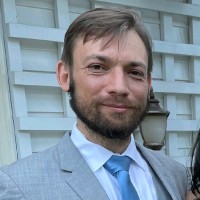
Ivan Lebedev, PhD
Founding Steward
I work at the intersection of biology, measurement, and scientific infrastructure.
My background spans structural biology, biochemistry, spatial biology, analytical chemistry, and biotechnology, with experience across academia, startups, industry, and nonprofit organizations.
At Verdant, I help develop scientific programs, partnerships, and measurement frameworks that connect environmental biology, agriculture, conservation, and emerging spatial technologies.
I'm particularly interested in environmental biology, spatial multi-omics, conservation, agriculture, and making advanced scientific tools more accessible across disciplines.
I can happily spend hours talking about beamlines, protein expression systems, system dynamics, and corgis.
Thomas Lane
Founding Steward
I work at the intersection of computational biology, spatial biology, and scientific infrastructure.
My background spans microbiome research, bioinformatics, software development, and scientific computing, with a focus on building tools and systems that make complex biological measurements more accessible, reproducible, and useful across disciplines.
At Verdant, I founded the organization to help accelerate spatial biology beyond traditional biomedical applications. I'm interested in developing collaborative research networks, open scientific infrastructure, and new measurement frameworks that connect environmental biology, agriculture, conservation, and geobiology.
Outside of research, I enjoy building software, designing scientific infrastructure, and finding practical ways to connect people, ideas, and technologies that don't usually meet.
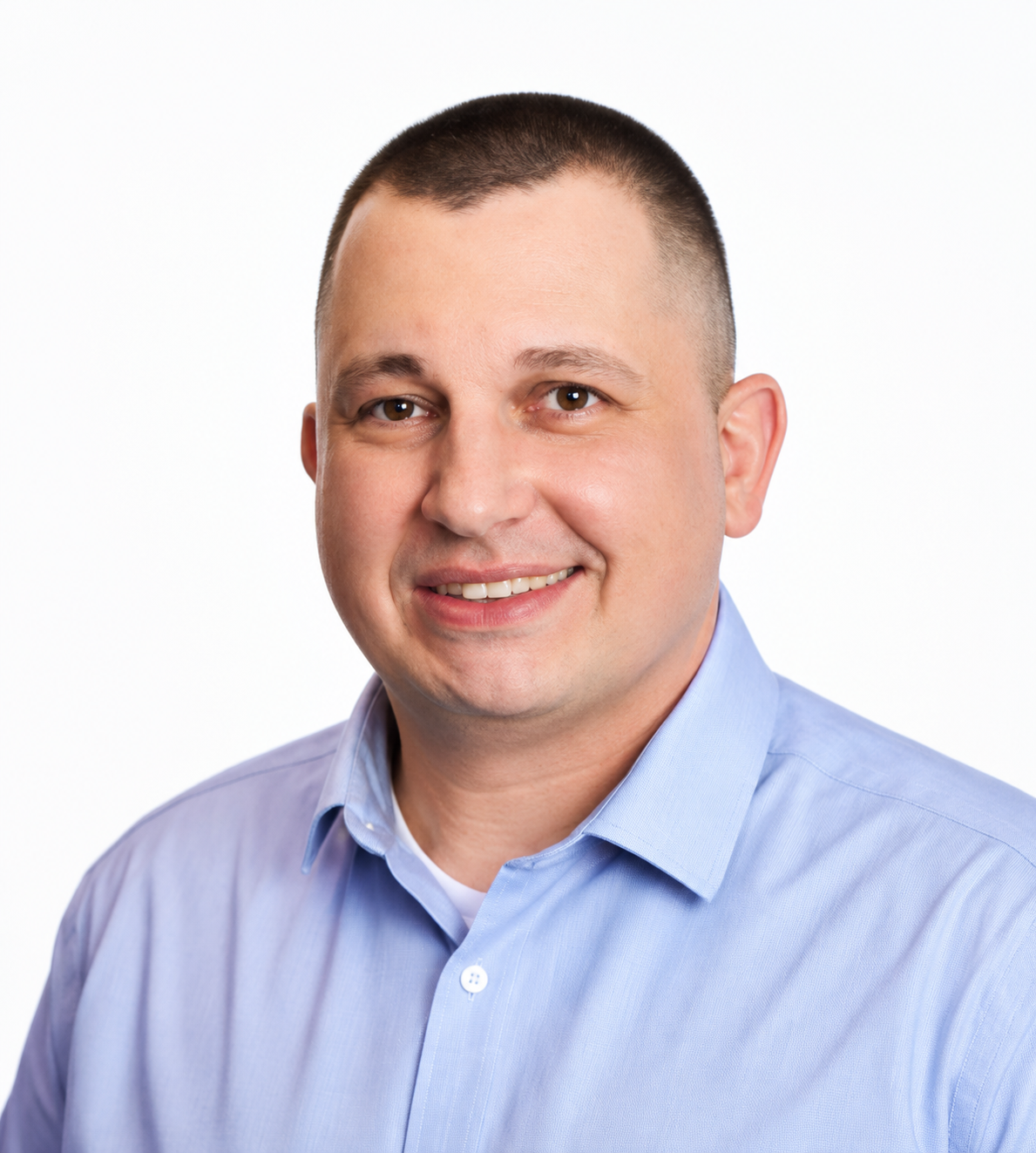
Brian Turczyk, PhD
Founding Steward
I build biotools that combine biology, chemistry, and engineering to help scientists ask better questions.
My background spans synthetic biology, genomics, proteomics, spatial molecular profiling, and assay development, with experience managing research, operations, and commercialization from academic concept through corporate acquisition.
At Verdant, I help guide scientific strategy, partnerships, organizational development, and the evaluation of emerging spatial technologies for environmental biology, conservation, and agriculture.
Research Fellows
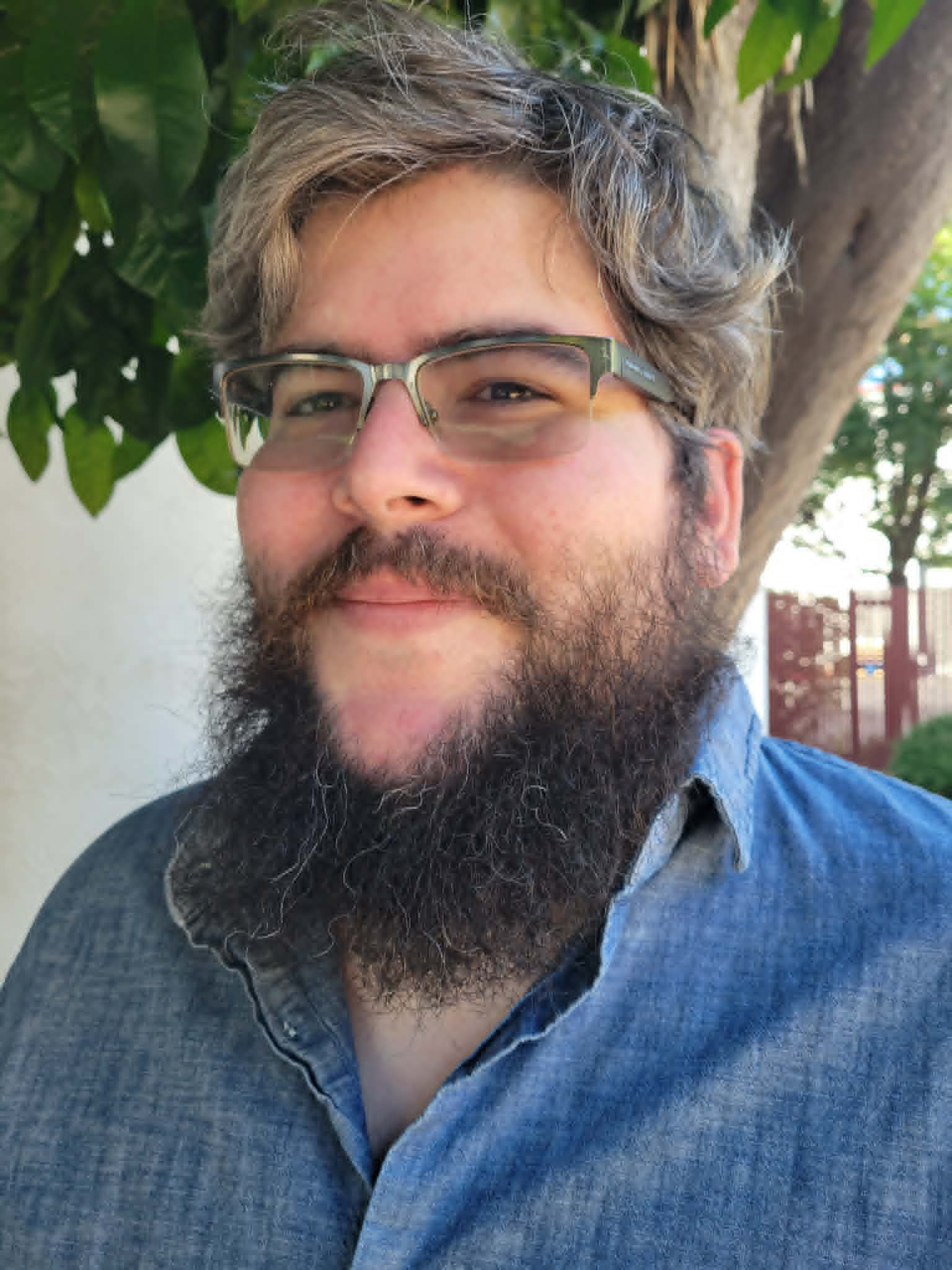
Maxwell Reitman @Max Reitman
Senior Research Fellow
I specialize in mycology, plant mutualisms, and microbial ecology.
My background spans mycology, fermentation science, microbial consortia, agricultural systems, and industrial biomanufacturing, with experience at Ecovative, DARPA, Pivot Bio, Curia, and BioMADE.
Since earning my Master's in Plant Pathology from the University of Florida, I've worked on rare-species metagenomic detection in contaminated waterways, cryptic speciation in fungi, multispecies biomaterials, domestication of non-model fungi for genetic engineering, plant-fungal-microbial guilds, and scaling fungal species for industrial production.
At Verdant, I'm interested in building systems-level approaches to environmental biology and collaborative scientific infrastructure.
Outside of science, I enjoy hiking the Alameda forests, playing board games, and reading long novels.
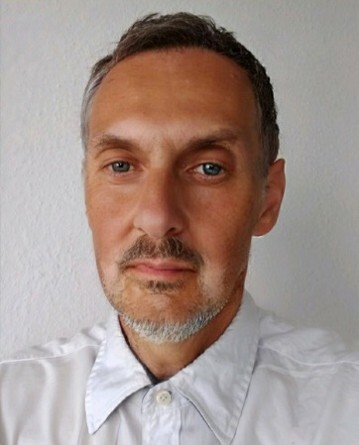
Taras Pasternak, PhD
Senior Research Fellow
I work at the intersection of plant biology, molecular biology, three-dimensional imaging, and computational image analysis.
My background spans plant physiology, plant nutrition, structural systems biology, molecular biology, and plant biotechnology, with experience across academia and industry.
At Verdant, I help develop strategies that integrate plant physiology, molecular biology, and spatial technologies to better understand plant systems and their interactions.
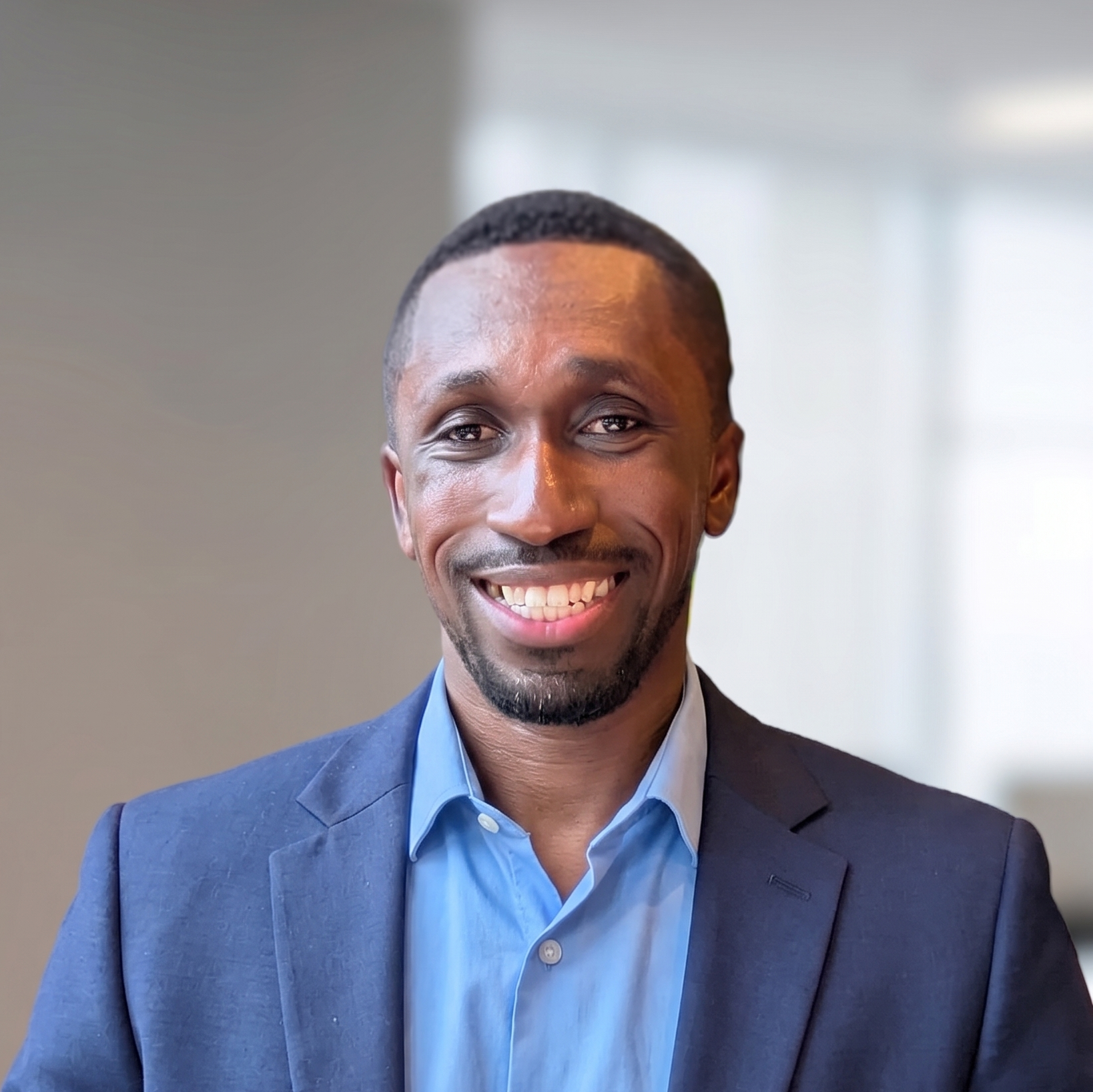
Christopher Turk
Quantum Biology Fellow
I work at the intersection of quantum physics, protein engineering, and information security.
My background includes fifteen years in enterprise architecture. I have applied cryptography, network and cloud design, and large-scale migration programs across healthcare, defense, financial services, and public-sector research environments, alongside a research program in applied quantum biophysics.
My research asks whether biological molecules can hold and move quantum information under ambient conditions instead of at millikelvin temperatures. It centers on ferritin as a redox memory element, where the iron mineral core inside the protein cage encodes state chemically rather than electronically; on chiral peptide nanowires that exploit chiral-induced spin selectivity to carry spin-polarized electrons into that store; and on optical readout, using fluorescence reporting on core redox state collected through Cassegrain optics onto single-photon avalanche detectors. I also build the software this requires: a Go control plane and scheduler for hybrid quantum-classical hardware, Python instrument control for protein expression, surface functionalization, self-assembly, and biomineralization, and post-quantum cryptographic enforcement for heterogeneous quantum processors, published at QASC 2026.
At Verdant, I'm interested in what happens when quantum measurement is treated as a spatial biology problem. My research includes molecular-scale sensing where coordinate, provenance, and environmental context are part of the measurement rather than metadata attached afterward.
How We Work
Verdant works across disciplines rather than organizing research around a single technology or platform. The team collaborates with domain experts, laboratories, and research centers to develop spatial and molecular measurement approaches for biological systems where context, heterogeneity, and environment matter.
The emphasis is on building useful scientific infrastructure: measurement frameworks, reference systems, collaborative networks, and methods that can be shared and extended by others.